

Quick Summary
Identify biodegradable fabrics by checking fibre content first, since natural fibres such as cotton, linen and hemp are plant-based and tend to break down over time. Read the full fibre percentages on the label, then confirm with a burn test and a feel check. Blends, trims and finishes can change the final result.
- Check the fibre percentages on the label, listed from highest to lowest by weight.
- Natural plant fibres like cotton and linen burn with a smell of burning paper and leave soft ash.
- Synthetic fibres tend to melt and form a hard bead during a burn test.
- Polyester thread and synthetic zips or elastic stay in the garment after the fabric breaks down.
- Treat words like eco or natural as prompts to dig deeper, not as evidence of biodegradability.
Table of Contents
- Why Fibre Content Is the First Clue to Biodegradability
- How to Read Fabric Labels for Fibre Content
- Which Biodegradable Fabrics Work Well for Sewing
- Testing Fabric in Hand: A Step-by-Step Identification Guide
- Why Blends, Trims and Finishes Change the Answer
- Using Sustainable Fabric Certifications to Check Claims
- Choosing Your Next Biodegradable Fabric at Simplifi Fabric
- Frequently Asked Questions
Why Fibre Content Is the First Clue to Biodegradability
Fibre content tells you more about biodegradability than any marketing label. Natural fibres such as cotton, linen and hemp are plant-based and tend to break down over time. Synthetic fibres such as polyester and nylon are made from petroleum-based polymers and generally do not.
Start with the fibre list on the label or product listing. A fabric made from one natural fibre is the simplest choice. A fabric that mixes natural and synthetic fibres will behave more like the synthetic part.
Key point: The fibre content determines the starting point. Finishes and blends can change the final result.
How to Read Fabric Labels for Fibre Content
Fabric labels are a useful first identification tool, but they are only helpful if you know where to look and what the wording actually commits to. In most cases, the fibre content appears on a sewn-in care label, a hang tag, or the product listing page. For secondhand or unlabeled fabric, the absence of a label is itself information: treat the fibre content as unknown until you can verify it another way.
Fibre percentages are listed from highest to lowest by weight. That order matters more than the presence of a natural fibre. A fabric labeled "60% cotton, 40% polyester" is majority cotton by weight, but the polyester portion still affects how the fabric breaks down, how it presses, and how it behaves after repeated washing. A "95% cotton, 5% elastane" jersey feels and sews like cotton but will leave synthetic residue behind after composting.
Watch out: A label that says "natural blend" or "eco-friendly fibres" without percentages is not a fibre disclosure, it is marketing language, and you should ask the seller for the full breakdown in writing before you buy.
Here is what to check on a label, in order:
- Fibre percentages: Look for a full breakdown, not just the dominant fibre. "100% linen" is a clear claim; "linen-rich" is not.
- Country of origin and processing claims: These can hint at provenance but do not confirm biodegradability on their own.
- Care instructions: Care symbols indicate recommended washing and drying, which can hint at finishes (for example, a "dry clean only" recommendation on a natural fibre may signal a coating or resin finish).
- Certification marks: Note the certification name and any license number so you can verify the scope later.
- Vague terms: Words like "eco," "green," "natural," and "sustainable" have no standardized fibre meaning. Treat them as prompts to dig deeper, not as evidence.
For sewing-specific decisions, the label also tells you what to expect at the machine. Use the label to plan your needle, thread, and pre-wash routine before you cut.
If the label is missing or ambiguous, move to the in-hand checks in the next section, and ask the seller for a fibre composition statement in writing. A written breakdown is the only claim you can hold a seller to.
Which Biodegradable Fabrics Work Well for Sewing
Several natural fibres suit sewing projects well:
- Organic cotton: Easy to sew, press and care for. Good for shirts, dresses and quilting.
- Linen: Strong and breathable. It softens with washing. Good for summer garments and home decor.
- Hemp: Durable and gets softer over time. Works well for bags, jackets and structured pieces.
- Tencel (lyocell) and bamboo-derived fabrics: Smooth and drapey. Check the processing method, as some regenerated fibres involve chemical treatment.
If you are browsing our overview of natural fibre fabric types before choosing, compare fibre content first and feel second.
Natural Fibres Compared with Synthetic Fibres
| Characteristic | Natural fibres (cotton, linen, hemp) | Synthetic fibres (polyester, nylon) |
|---|---|---|
| Source | Plants | Petroleum-based |
| Typical biodegradability | Generally biodegrades | Generally does not biodegrade |
| Sewing ease | Usually easy to cut and press | Varies; some slip or stretch |
| Care | Often washable at home | Often washable, may pill |
Pros of natural fibres:
- Plant-based and breathable
- Generally break down over time
- Pleasant to handle and press
Cons of natural fibres:
- Can wrinkle or shrink
- Often cost more per metre
- Dyes and finishes may still affect biodegradability
Pros of synthetic fibres:
- Strong and resist wrinkles
- Often lower in price
Cons of synthetic fibres:
- Derived from fossil fuels
- Generally do not biodegrade
Testing Fabric in Hand: A Step-by-Step Identification Guide
Use these simple checks before you cut:
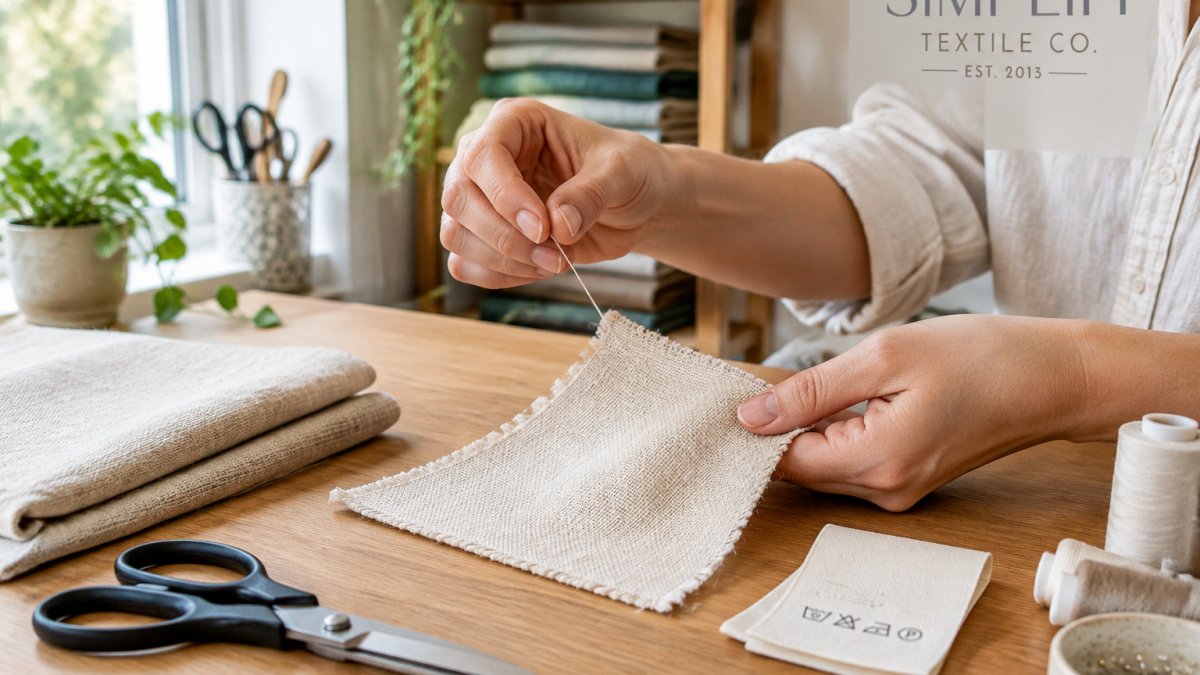
- Read the label or listing. Note the fibre percentages.
- Do a burn test on a small thread. Natural plant fibres such as cotton and linen burn with a smell like burning paper and leave soft ash. Synthetics tend to melt and form a hard bead. Work outdoors, away from flammable items, and have water nearby.
- Check the feel. Natural fibres often feel cooler and show slight irregularities. Synthetics can feel slick or plasticky.
- Look at the weave and sheen. A high shine can suggest synthetic content.
- Ask the seller for the fibre content in writing if the listing is unclear.
The burn test is a guide, not a certainty. Blends can give mixed results.
!Hands in a bright home sewing room gently pulling a thread from a cotton-linen fabric swatch beside a folded care label and a pair of scissors
Why Blends, Trims and Finishes Change the Answer
A fabric labelled as natural can still behave differently once blends, trims and finishes are added:
- Blends: A cotton-polyester blend keeps some synthetic content, which slows biodegradation.
- Trims and threads: Polyester thread and synthetic zips or elastic remain in the garment after the fabric breaks down.
- Finishes: Stain resistance, wrinkle resistance and colour treatments can add chemicals that affect how the fabric breaks down.
Check the whole project, not just the main fabric. Choose natural threads and trims where you can.
Using Sustainable Fabric Certifications to Check Claims
Certifications are useful, but they are frequently misunderstood. A common mistake is treating any eco-label as proof that a fabric is biodegradable. In practice, most textile certifications verify one of three different things: organic fibre content, chemical safety in the finished textile, or responsible processing. None of the widely used textile certifications certifies that a fabric will biodegrade in a home compost bin or in a landfill.
Here is what the common certifications actually cover:
- GOTS (Global Organic Textile Standard): Verifies organic fibre content and sets processing and social criteria for textiles labeled organic. It covers the organic claim and processing chain, not end-of-life biodegradability.
- OEKO-TEX Standard 100: Tests finished textiles for harmful substances at the article level. It confirms chemical safety for the tested parameters; it does not confirm organic content or biodegradability.
- OEKO-TEX Made in Green: Combines chemical-safety testing with traceability and responsible production criteria. Again, it is not a biodegradability certification.
- GRS (Global Recycled Standard): Verifies recycled content and chain of custody for recycled materials. Recycled polyester can carry GRS certification and still not biodegrade.
- FSC (Forest Stewardship Council): Applies to wood-derived cellulosic fibres such as lyocell and viscose where the pulp source is certified. It speaks to forest management, not to the fabric's breakdown in soil.
Watch out: A certificate number on a hang tag does not guarantee the fabric you are holding is covered. Certifications apply to specific products and facilities, and a brand may hold a certificate for one line while another line is uncertified. Always check the certificate's scope and the product's license number on the certifying body's public database before relying on the claim.
For a sewing project, use certifications as a filter, not a finish line. A GOTS-certified organic cotton tells you the fibre is organic and processed to a defined standard; it does not tell you whether the dye, the finish, or the thread will break down. Pair the certification check with the fibre-content and blend checks earlier in this guide, and ask the seller for the certificate scope if it is not published.
A practical sequence is: confirm the fibre content first, confirm any organic or recycled claim against the certifying body's database second, and treat biodegradability as a separate question that depends on fibre type, dyes, finishes, and disposal conditions. That order prevents a certification mark from standing in for information it was never designed to provide.
Choosing Your Next Biodegradable Fabric at Simplifi Fabric
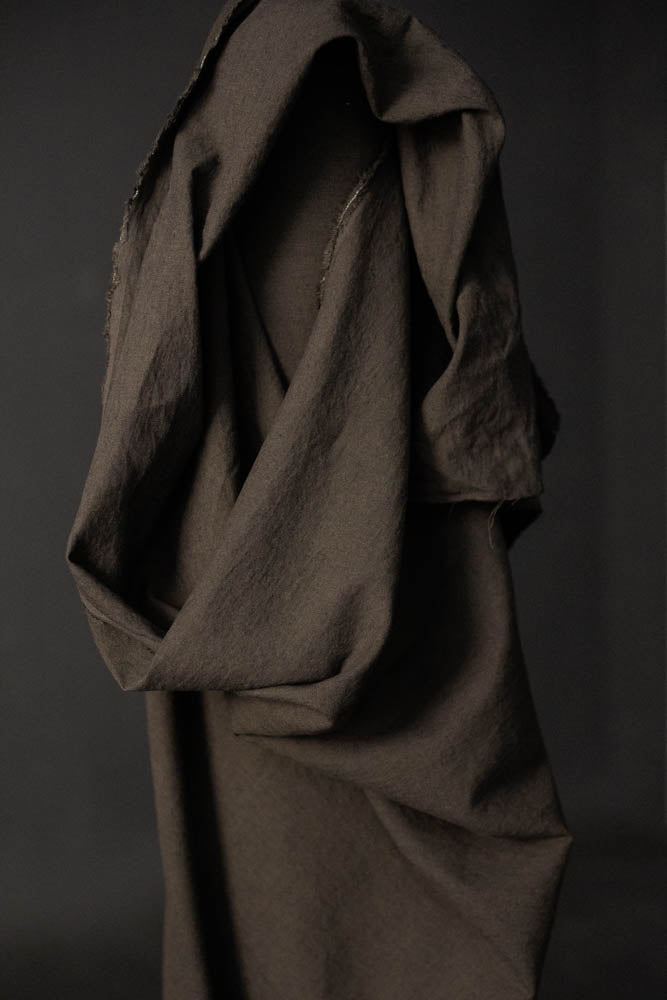
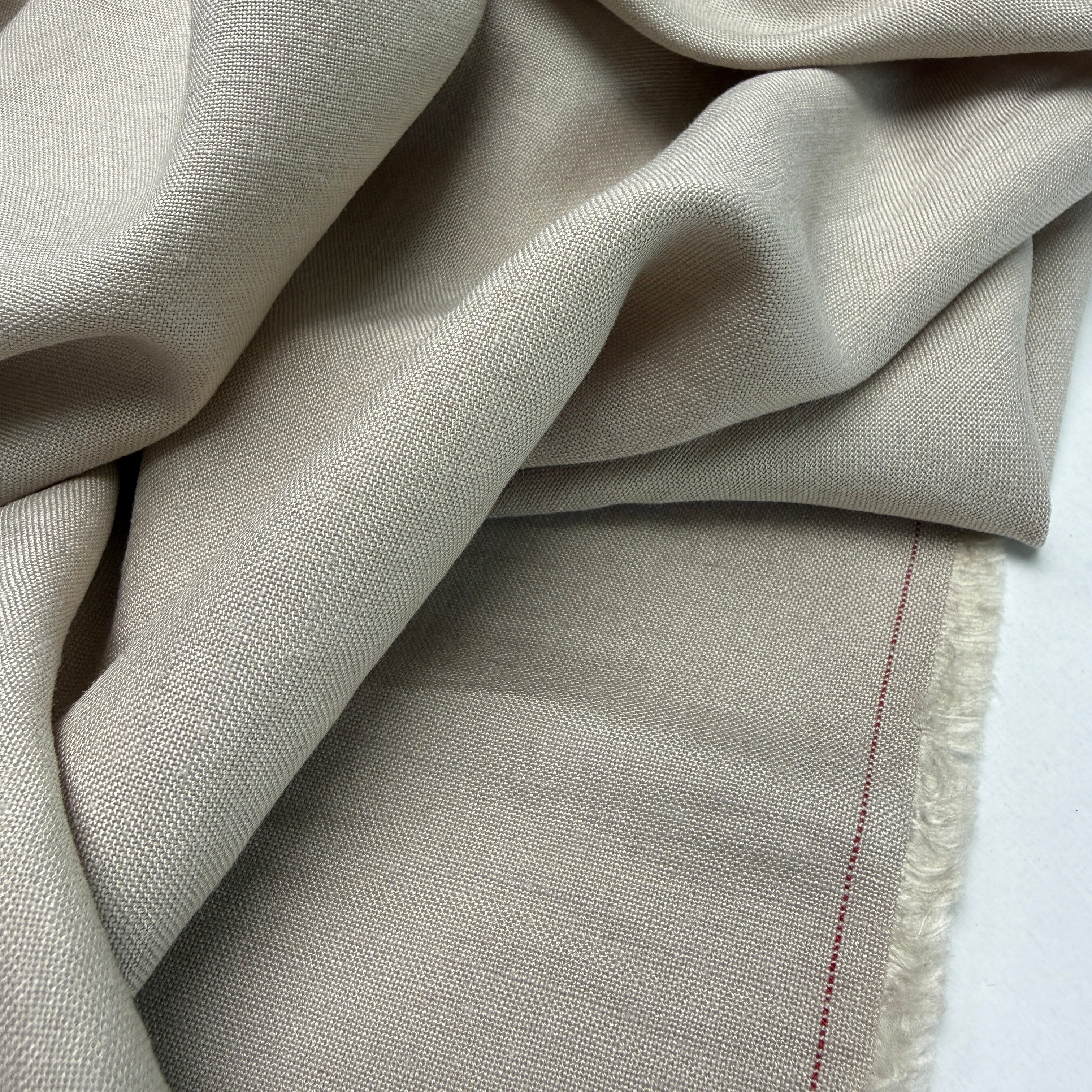
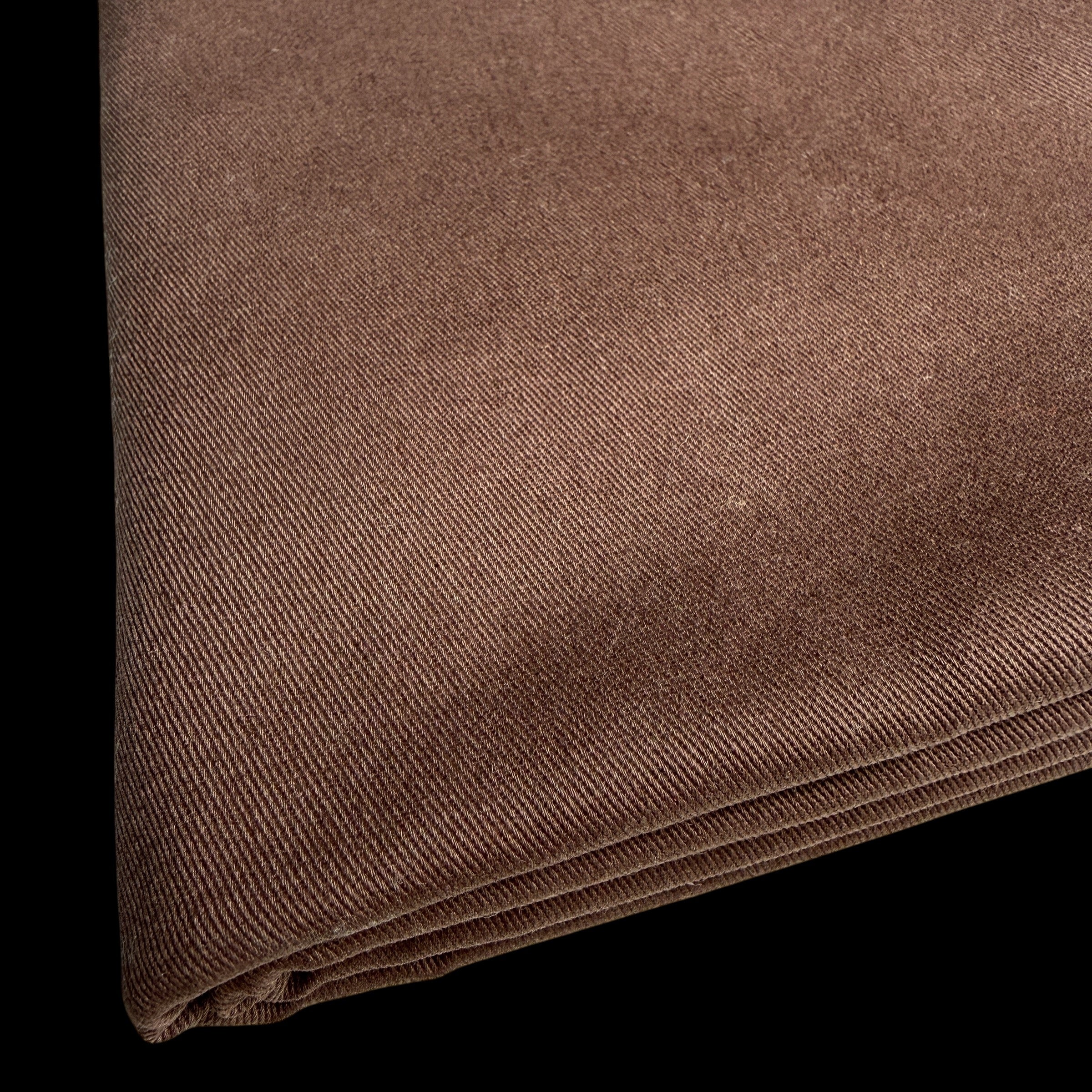
Once you know what to look for, the right fabric is easier to choose. At Simplifi Fabric, our Winter Cabin Organic Cotton Linen - European Import - Merchant & Mills blends organic cotton with linen, and its listing gives the full fibre breakdown. For a sturdy natural option, the 100% Cotton Canvas Twill - Brown - 240 GSM is 100% cotton, while the Linen + Viscose + Cotton Mix - Oatmeal offers a soft drape from a mixed-fibre blend.
For more on checking claims before you buy, read how to verify fabric organic certifications, or explore hemp fabric benefits and uses before your next project.
Last Updated: November 19, 2026
Frequently Asked Questions
How can you tell if a fabric is biodegradable?
Start with the fibre content on the care label or the seller's listing. Fabrics made from 100% plant fibres such as cotton, linen, hemp or bamboo-derived viscose are generally the most likely to biodegrade. Check whether the fabric is a blend, since synthetic fibres or plastic-based finishes can slow breakdown. Look for a recognised certification to confirm the claims. Biodegradability also depends on the disposal setting, so a fabric may break down well in a compost pile but very slowly in a landfill.
Which fabrics are biodegradable and suitable for sewing?
Cotton, linen, hemp and Tencel (lyocell) are among the most common biodegradable fabrics that sew well. Cotton and linen are easy to work with for beginners, while hemp and Tencel suit more drapey garments. Woven 100% cotton canvas is a sturdy option for bags and home projects. Simplifi Fabric carries a Merchant & Mills organic cotton and linen blend and a 100% cotton canvas, both of which can be checked against the fibre content in their listings.
Are blended fabrics biodegradable?
Blends are only partly biodegradable if one of their fibres is synthetic. A linen and cotton blend breaks down more readily than a polyester blend, but the synthetic portion can persist. Check the percentage of each fibre on the label, since a blend with a small amount of polyester may still be marketed as natural. Pure natural fibres give the clearest answer when biodegradability matters most to you.
Do dyes and fabric finishes affect biodegradability?
Yes. Dyes, chemical finishes and wrinkle-resistant treatments can slow breakdown or introduce substances you may not want in the environment. A natural fibre dyed with harsh chemicals is not automatically the most sustainable choice. Look for certifications that cover dyes and finishes, such as GOTS for organic textiles and OEKO-TEX for tested substances, so you know the whole product was checked, not just the fibre.
